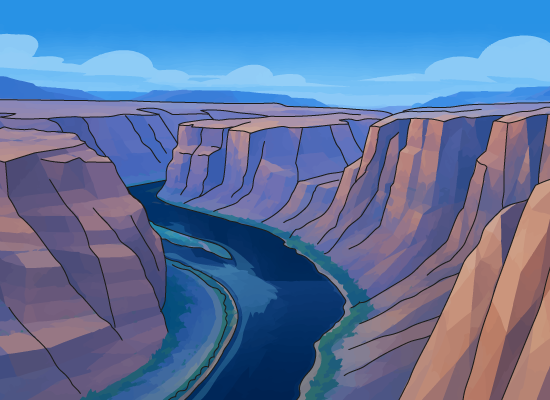
We can’t let the Colorado River run dry
When I worked at The Nature Conservancy, the Colorado River was always on our radar. It’s a marvel of engineering and ecology—a key artery that feeds cities, farms, and canyons across seven states and two countries. At the time, we watched with real concern as the river was overdrawn. Its reservoirs shrank, and the outlook grew dire. But what’s happening now is different. This isn’t a warning anymore. This is the thing we warned about.
The river is also the lifeblood of the American West’s two largest reservoirs. Lake Powell is receiving something like 13% of its normal spring runoff this year. That’s the lowest snowmelt inflow on record. Meanwhile, Lake Mead is hovering 20 feet below its shortage trigger. Hydropower from Hoover Dam could be cut by 40% this fall.
And here’s the part that should keep you up at night: water stored in the two reservoirs combined could fall to some 10% of their turn-of-the-century levels by the end of summer.
This is not a drought. It’s a slow-motion collapse of infrastructure right before our eyes.